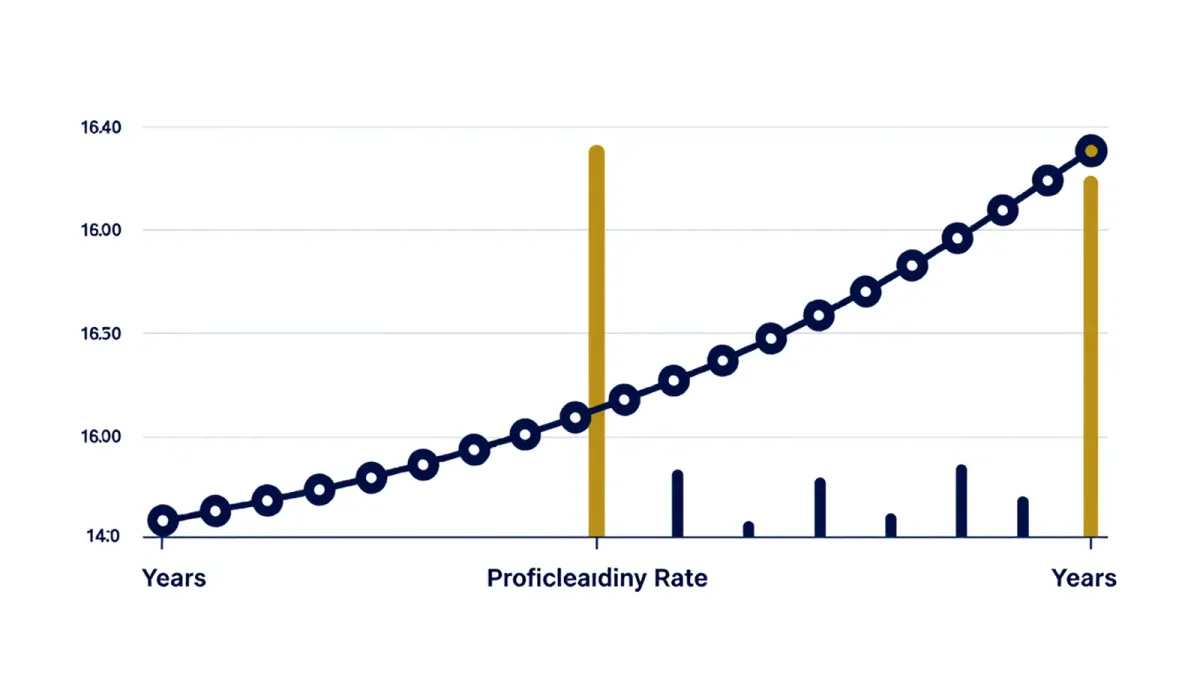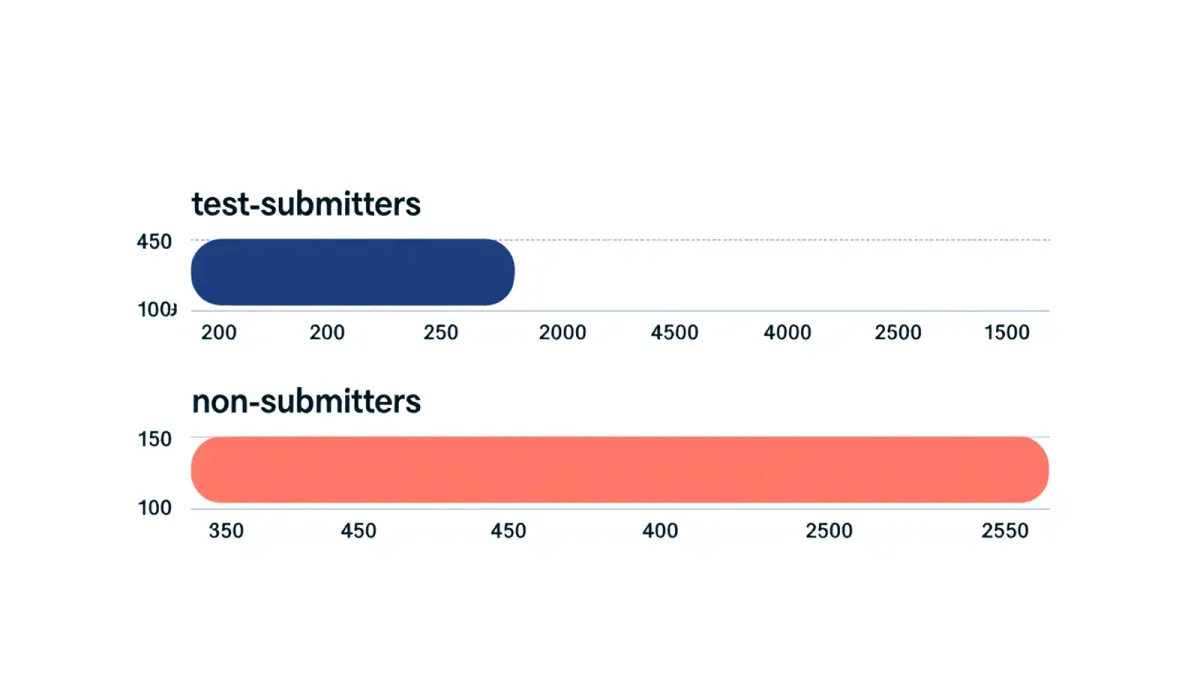
The National Council on Teacher Quality, which tracks teacher compensation policy nationally, has documented a meaningful shift over the past decade: a growing number of districts and states have moved away from the traditional "steps and lanes" salary schedule, which pays a fixed bump for a master's degree regardless of subject relevance, toward portfolio-based or performance-linked advancement systems that reward demonstrated practice rather than credential attainment alone. A teacher deciding how to invest time and tuition money for a raise needs to know which system their own district actually runs before comparing the two paths.
This is a framework for that comparison, not financial advice; the right choice depends on a teacher's specific district pay schedule, career goals, and available tuition support.
What Does a Master's Degree Actually Buy Under a Traditional Salary Schedule?
Under a traditional lane-based schedule, a master's degree typically moves a teacher to a higher pay lane immediately upon completion and documentation, a raise that is permanent, contractually guaranteed, and portable if the teacher moves to another district using a similar schedule. The tradeoff is time and cost: most programs take one and a half to two and a half years and cost several thousand to tens of thousands of dollars depending on the institution, and NCTQ's research has questioned whether many master's programs, particularly those not aligned to a teacher's subject or grade level, show a measurable relationship to improved student outcomes, even though they reliably produce a pay increase.
What Does a Portfolio or Performance Path Actually Require?
Portfolio-based advancement systems, and performance-linked systems tied to evaluation ratings or National Board Certification, generally require ongoing demonstrated evidence rather than a one-time credential: classroom observation ratings sustained over multiple cycles, a compiled body of evidence such as student work samples and reflective analysis, or a certification process like National Board Certification that itself typically takes one to three years and requires a substantial portfolio submission plus assessment components. The pay increase in these systems is often larger per step than a single master's-degree bump, but it usually depends on sustained performance rather than a credential that, once earned, cannot be revoked.
How Should a Teacher Compare the Two Financially?
The comparison that actually matters is not tuition cost against pay increase in isolation, but net present value across a full career: total cost including tuition, foregone income if a leave of absence is involved, and time; total additional lifetime earnings from the higher lane or performance step, discounted for the years before the credential completes; and portability, since a master's-degree pay bump generally transfers to a new district on a similar schedule, while a district-specific portfolio credential often does not.
A teacher early in a career with strong reason to expect they will stay in the same district for many years may find a portfolio or National Board path pays off faster, since the ongoing per-step increases compound. A teacher who expects to relocate, or whose district has not adopted a portfolio system, is better served by the portability of a traditional credential.
Does Subject or Grade-Level Alignment Change the Calculation?
NCTQ's compensation research has specifically flagged that many salary schedules pay the same lane bump for a master's degree regardless of whether it relates to the teacher's actual subject, which means a teacher choosing a program purely for the pay increase, rather than instructional relevance, is optimizing correctly for salary but potentially leaving instructional-quality benefits on the table that a subject-aligned program, or a performance-based path built on demonstrated classroom practice, would deliver instead.
What Should a Teacher Ask Their District Before Choosing?
Before committing tuition or time, a teacher should get in writing: which credentials or certifications currently move the pay lane under the district's specific schedule; whether that schedule is under discussion for change, since some districts are actively transitioning away from automatic degree-based lanes; and what tuition reimbursement or stipend support, if any, applies to each path. A verbal assurance from a colleague about "how the schedule works" is a common source of costly mistakes when the actual negotiated agreement says something different.